

What Is Identity Verification: Methods, Processes and Business Benefits

Introduction
The rapid acceleration of digital business has made verifying identity a front-line priority for enterprises. Whether onboarding new customers, protecting accounts or enabling financial transactions, identity verification safeguards the integrity of digital operations.
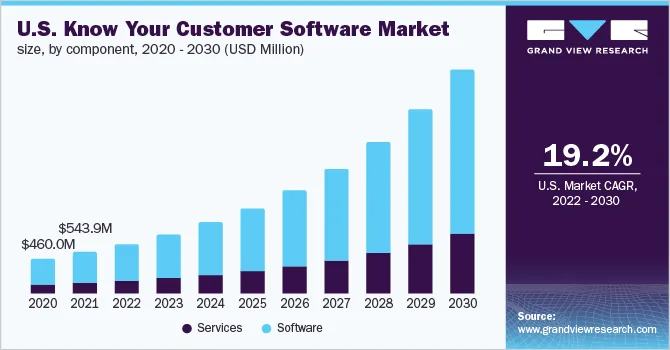
Fraud is becoming more sophisticated, ranging from account takeovers to synthetic identity attacks. In 2024, U.S. consumers lost $27.2 billion to identity fraud, marking a 19% year-over-year increase. At the same time, regulatory bodies are tightening compliance requirements, leaving organizations with little margin for error.
For executives, identity verification is no longer a technical checkbox but a strategic necessity and a regulatory requirement for fraud prevention. It reduces risk exposure, strengthens compliance, and fosters customer loyalty essential for long-term digital growth and market leadership. ChainIT designed its verification framework to meet these heightened compliance expectations, establishing that every validation is recorded through audit trail software that maintains immutable digital records.
Understanding Identity Verification
Identity verification confirms an individual’s authenticity, bridging traditional checks with digital solutions. It underpins enterprise security, regulatory compliance, and operational efficiency across today’s technology-driven business environments.
Scope of Identity Verification
Simply, identity verification is the process of confirming that an individual’s claimed identity matches verified evidence such as government documents, biometrics or databases. In enterprise contexts, it ensures secure onboarding, transaction integrity with KYC AML compliance.
Key roles in enterprise operations:
- Safeguards against fraud and unauthorized access.
- Supports compliance with global regulations.
- Accelerates onboarding, maintaining rigorous identity standards
- Enables accurate risk assessments and fraud prevention.
- Strengthens long-term digital resilience and reputation.
Traditional vs. Digital Identity Verification
Traditional identity verification relied heavily on in-person checks, physical documents, and manual reviews. Digital identity verification uses AI, biometrics, and automated workflows to deliver faster, scalable and more accurate authentication.
Quick Comparison Table for better understanding:
| Aspect | Traditional Verification | Digital Verification |
| Process | Manual checks of documents and forms | Automated review using AI, biometrics, and databases |
| Speed | Slow, resource-intensive | Instant to near real-time |
| Accuracy | Prone to human error | High accuracy with fraud detection layers |
| Scalability | Limited by staff capacity | Handles millions of verifications efficiently |
| Security | Vulnerable to document forgery and insider errors | Strong fraud detection using biometrics and AI |
| User Experience | Time-consuming, requires physical presence | Convenient, seamless, often remote-friendly |
Key Differences, Pros, and Cons:
- Traditional Verification:
- Pros: Familiar process, low initial technology investment.
- Cons: High operational costs, slower processing times and limited scalability.
- Digital Verification:
- Pros: Cost-effective in the long term, faster processing, scalable and improved user experience.
- Cons: Requires initial investment in technology, potential privacy concerns and dependency on digital infrastructure.
Here’s where to reduce the exposure risk, ChainIT employs reusable identity tokens instead of storing sensitive data, enabling compliance and supporting the principle of user-owned data control.
Industry Relevance
Identity verification extends beyond fraud prevention, directly influencing compliance, operational efficiency, and customer assurance across industries. According to Forbes, ‘In the modern digital era, identity proofing has emerged as a critical barrier to fraud and a key safeguard within virtual environments’.
- Banking and Finance: Verifies account holders and loan applicants, ensuring compliance with KYC and AML regulations while protecting against fraud and unauthorized transactions.
- Healthcare: Secures access to patient records, prevents medical identity theft, and ensures compliance with HIPAA and regional privacy frameworks.
- E-commerce: Verifies customer identities to cut payment fraud, reinforce delivery assurance and safeguard high-value online transactions.
- Government Services: Supports issuance of passports, driver’s licenses, and digital IDs, enabling secure citizen services and preventing identity-based fraud in public programs.
- Insurance: Confirms policyholder identity to streamline claims, reduce fraud attempts, and improve overall operational efficiency.
- Telecommunications: Prevents SIM-swap fraud, secures mobile subscriptions, and supports regulatory compliance in user onboarding processes.
Each use case illustrates how digital identity verification preserves business integrity while streamlining operations and strengthening reliability in key customer interactions.
Modern Identity Verification Methods: Techniques & Real-World Impact
Identity verification services encompasses various methods, including document, biometric, database, knowledge-based, and multi-factor authentication, to ensure secure, compliant, and efficient user identification across digital platforms and industries.
Document Verification
Document verification authenticates government-issued IDs, passports, or driver’s licenses by analyzing security features like holograms, QR codes, and expiration dates. It is widely used in onboarding and compliance checks.
How it Works:
- Scans physical or digital documents
- Analyzes security features
- Compares data with verified databases
- Flags discrepancies for review
Use Cases:
- Financial Services: Verifying KYC compliance during account opening.
- Travel & Hospitality: Confirming identity at check-in.
- Telecommunications: Preventing SIM card fraud.
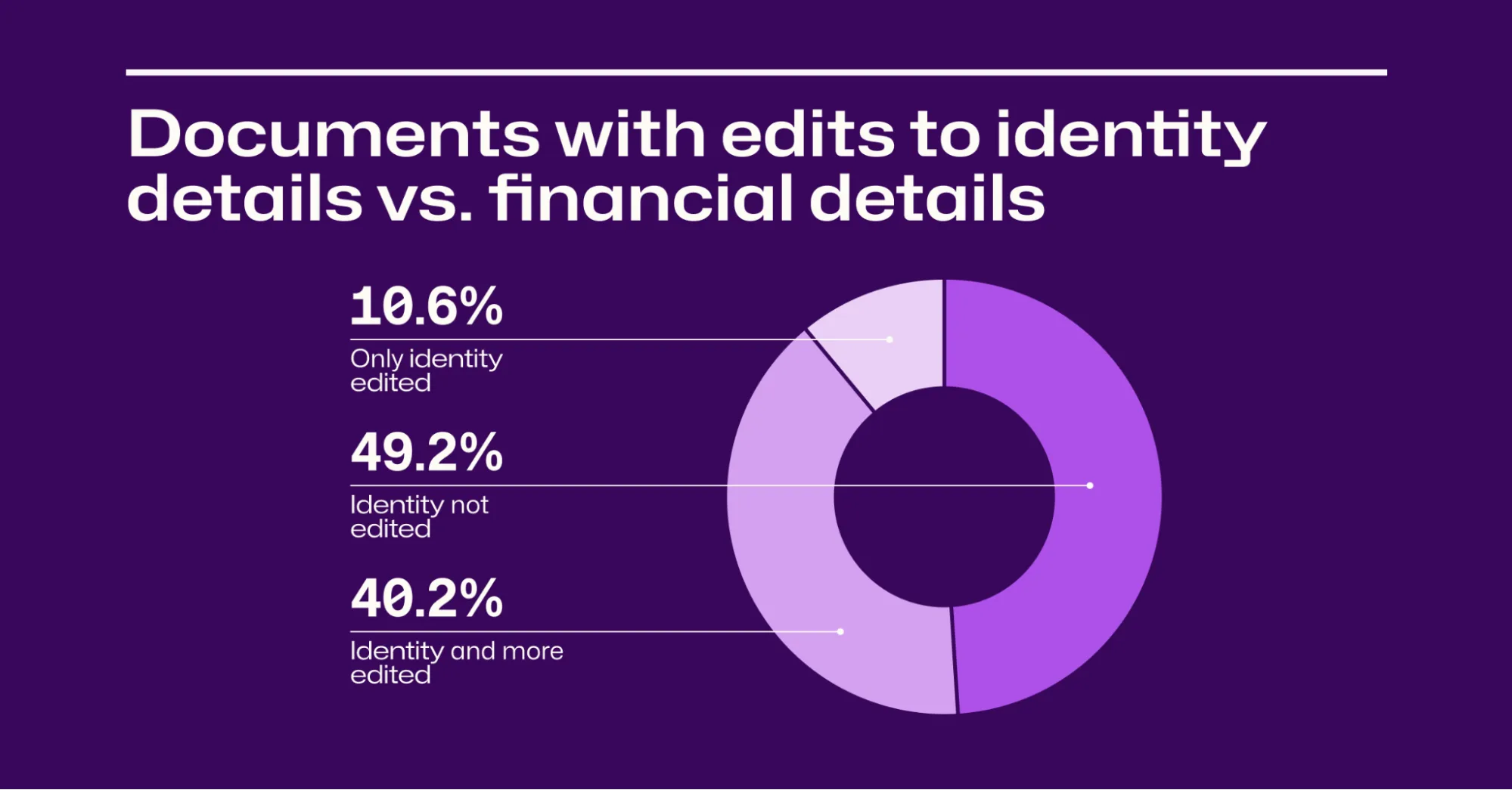
Example: The most alarming trend involves 40.2% of fraudulent documents, where both identity and financial information have been altered.
Enhanced Biometric Verification with GPS
Many organizations rely on biometrics to confirm identity, yet these methods can be manipulated. ChainIT addresses this challenge by integrating liveness detection with GPS validation, anchoring every result on an immutable ledger. This layered approach strengthens security, ensures compliance, and minimizes fraud risks in sensitive digital interactions.
How It Works:
- Captures biometric data via sensors (fingerprints, face, iris)
- Converts the data into unique digital templates
- Verifies identity by matching templates with stored records
- Confirms user location via GPS to validate context and prevent unauthorized access
Use Cases:
- Healthcare: Ensures patient records are accessed only by verified personnel in approved locations
- Financial Services: Secures mobile banking transactions by verifying both identity and location
- Government: Enables voter or citizen authentication while confirming presence at authorized sites
Example: A GAO study found that biometric identification raised successful IRS tax-website access rates among Puerto Rican applicants significantly more than traditional credit-history questions.
Database Verification
Database verification cross-checks user information against authoritative databases in real time or batch mode to confirm identities, supporting compliance and preventing fraud. ChainIT validates identities against primary sources like DMV and IRS, eliminating incomplete data risks.
How it Works:
- Collects and standardizes user-provided information
- Compares data against authoritative databases
- Flags discrepancies or confirms matches
- Provides results instantly or in scheduled batches
Use Cases:
- Financial Institutions: Verifying customer information for loan approvals.
- Healthcare Providers: Confirming patient identity for medical records.
- E-commerce: Authenticating user details during transactions.
Example: A peer-reviewed SLR on blockchain-based e-KYC shows banks using government and civil registry databases for identity attribute verification to comply with KYC/AML and reduce fraud.
Knowledge-Based Verification (KBV)
KBV involves asking users personal questions based on historical data to verify identity. It is commonly used in customer support and account recovery processes.
How it Works:
- Presents security questions to users
- Questions based on personal history
- Verifies answers against stored data
- Flags mismatches for further review
Use Cases:
- Banking: Verifying identity during password resets.
- Telecommunications: Confirming account ownership over the phone.
- E-commerce: Authenticating users during checkout.
Example: The National Institute of Standards and Technology (NIST) emphasizes that due to the widespread availability of personal information, KBV offers very limited strength in the verification process.
See how ChainIT ID lets you take full control of your personal information, ensuring secure, verified and fully compliant digital identity management:
Two-Factor and Multi-Factor Authentication (2FA/MFA)
Two-Factor and Multi-Factor Authentication (2FA/MFA) enhances security by requiring multiple forms of verification, combining knowledge-based, possession-based, or biometric factors to confirm a user’s identity. ChainIT layers MFA with immutable recordkeeping so every session can be verified later.
How it Works:
- Requires multiple forms of identification
- Combines knowledge, possession, and inherence factors
- Enhances security by adding layers
- Reduces risk of unauthorized access
Use Cases:
- Banking: Securing online banking transactions.
- Corporate: Protecting access to sensitive company data.
- E-commerce: Authenticating users during high-value purchases.
Example: 23andMe, Ancestry and MyHeritage have implemented mandatory two-factor authentication (2FA) for all users following a security breach, enhancing account security.
Step-by-Step Identity Verification Process
The identity verification process systematically collects, validates, and analyzes information through defined steps, enhancing security and ensuring compliance for both individuals and businesses.
Step 1: Data Collection
The first step involves gathering personal and business information such as names, government-issued IDs, addresses, and financial details to create a comprehensive profile for accurate and reliable verification purposes.
- Identity proof documents
- Business registration papers
- Address verification details
- Financial account records
- Contact information database
Step 2: Data Validation
Once collected, the information is carefully checked against reliable sources such as government databases, credit agencies, and biometric tools to verify identity and prevent fraudulent or misleading submissions.
- Cross-check government IDs
- Validate financial accounts
- Match biometric records
- Confirm official addresses
- Authenticate supporting documents
Step 3: Risk Assessment
At this stage, the verified data undergoes a comprehensive risk evaluation, identifying unusual patterns, suspicious activity, or fraudulent indicators that may highlight potential security threats or compliance challenges.
- Analyze transaction patterns
- Review behavioral history
- Identify suspicious anomalies
- Detect high-risk regions
- Evaluate fraudulent indicators
Step 4: Decision Making
Based on the outcomes of risk evaluation, organizations determine whether to approve, flag, or deny service requests, ensuring only legitimate individuals gain access to resources.
- Approve Verified users
- Flag suspicious activity
- Deny fraudulent requests
- Notify compliance officers
- Update verification logs
Step 5: Continuous Monitoring
The final step involves continuous monitoring of users and transactions, applying adaptive verification techniques and security tools to address evolving fraud methods and maintain long-term regulatory compliance.
- Track user behavior
- Monitor ongoing transactions
- Update fraud detection
- Integrate advanced tools
- Ensure regulatory compliance
With ChainIT, each verification is finalized as a Validated Data Token (VDT), creating a permanent, reusable compliance record regulators can audit and monitor at any time.
Strategic Advantages of Identity Verification for Enterprises
Leveraging robust identity verification platforms provides enterprises with stronger security, improved operational efficiency, and better compliance, enabling confident and informed decision-making in digital interactions.
- Fraud Reduction and Financial Protection
Identity verification significantly mitigates risks like synthetic identity fraud and account takeovers, safeguarding businesses from financial losses and reputational damage. ChainIT achieved this by verifying both live biometrics and device location.
- Regulatory Compliance (KYC, AML)
Adhering to Know Your Customer (KYC) and Anti-Money Laundering (AML) regulations is streamlined through identity verification, ensuring legal compliance and reducing exposure to financial crimes. ChainIT adapts rules dynamically per jurisdiction with automated enforcement.
- Operational Efficiency
Automated identity verification accelerates onboarding processes, reduces manual interventions, and enhances user experience, leading to increased conversion rates and customer satisfaction. With ChainIT, because identities are tokenized once, they can be reused across systems with no re-validation overhead.
- Enhanced Customer Retention rate
Implementing secure identity verification builds customer confidence, leading to higher retention rates and fostering long-term business relationships. ChainIT strengthens this retention by proving each session is validated in real time and by giving customers control of their own reusable digital ID.
- Data-Driven Insights for Business Intelligence
Identity verification provides valuable data analytics, enabling businesses to make informed decisions, mitigate risk, personalize services, and identify trends for strategic growth. ChainIT adds unique value by tokenizing these verification events as immutable records (VDTs), which enables businesses to extract insights without exposing sensitive data.
- Enhanced Customer Segmentation and Personalization
Identity verification enables businesses to accurately segment customers, allowing for tailored marketing strategies and personalized experiences that drive engagement and loyalty. ChainIT’s verified IDs provide a resourceful baseline for segmentation to build personalization efforts on truth, not assumptions.
- Scalability and Adaptability for Global Expansion
Implementing robust identity verification systems facilitates seamless scalability, supporting businesses in expanding operations across regions while maintaining compliance and security standards. ChainIT adapts automatically to regulatory requirements, applying dynamic rules to verification flows so businesses can stay compliant with regulatory frameworks while scaling beyond borders.
Challenges and Strategic Considerations in Identity Verification
Identity verification delivers value, but enterprises must address regulatory, technical, and operational hurdles. Each challenge carries real-world implications and hidden considerations that can impact security and scalability.
Navigating Data Privacy and Security Regulations
Compliance with GDPR, CCPA and HIPAA requires strict data handling, encryption, and storage standards to protect sensitive information during the verification process.
Key Considerations:
- Cross-border data transfer frameworks (like EU–US Privacy Shield replacement) complicate multinational verification processes.
- Regulatory updates demand continuous policy and system reconfiguration to avoid non-compliance.
Example: In September 2024, the Dutch Data Protection Authority fined Clearview AI €30.5 million for collecting billions of facial images without proper consent, violating GDPR.
ChainIT mitigates these risks by not storing PII, only tokenized proofs.
Overcoming Integration with Existing Enterprise Systems
Verification tools often face compatibility issues with legacy IT systems, leading to implementation delays, siloed data, and higher security risks.
Key Considerations:
- Frequent API or vendor updates require ongoing IT maintenance.
- Legacy infrastructure limits the adoption of advanced AI-powered verification methods.
Example: An academic usability study of FIDO2 in enterprise settings found 60%+ of professionals report issues integrating passwordless authentication with legacy systems
ChainIT’s architecture prioritizes API, enables drop-in integration with existing platforms, delivering modern KYC/AML without disruptive ‘rip and replace’ projects.
Also Read: Understanding KYC Basics: A Quick Guide
Balancing User Experience and Security Trade-Offs
Enterprises must create a frictionless process without reducing security. Overly strict verification frustrates customers, while leniency raises fraud and compliance risks.
Key Considerations:
- Accessibility gaps persist for users with disabilities, demanding more inclusive verification solutions.
- Mobile-first users expect speed, making UX optimization essential for global adoption.
Real-World Example: Microsoft noted passwordless biometric authentication reduced account compromise by 80% while improving login satisfaction. ChainIT builds on this by layering biometrics with GPS validation, so security gains don’t come at the cost of inclusivity or compliance.
ChainIT’s verification design is simple for users but uncompromising on compliance. ChainIT streamlines onboarding by reusing previously verified identities across platforms, reducing repeat checks without lowering compliance standards.
Addressing Cost and Scalability Considerations
Building verification systems demands a high upfront investment. Cloud-based models help enterprises scale with growing user volumes while reducing infrastructure costs.
Additional Considerations:
- Ongoing compliance audits and AI retraining add hidden costs.
- Scaling across regions requires investments in localized verification frameworks.
📈 Stat Insight
The Global Identity Verification Market is forecasted to reach $29.32 billion by 2030 with a CAGR of 15.4%, reflecting rising enterprise investment.
While ongoing audits and AI retraining raises costs, ChainIT reduces cost pressures by issuing immutable VDTs, once verified, they can be reused across jurisdictions, cutting repeat expenses while maintaining compliance.
Mitigating Bias and Accuracy Risks
Biases in AI-driven verification systems can lead to misidentifications, exposing organizations to customer dissatisfaction and regulatory challenges.
Key Considerations:
- Biometric misidentification disproportionately impacts minority groups, raising ethical and legal challenges.
- Continuous algorithm retraining is needed to improve fairness and reduce demographic bias.
Real-World Example: The U.S. NIST study found some facial recognition algorithms produced false positives up to 100x higher for Asian and African American faces. ChainIT’s multi-factor approach maintains higher accuracy and fairness by design.
ChainIT mitigates bias and reduces reliance on any single factor by combining biometric verification with GPS and document validation, strengthening regulatory defensibility.
Latest Innovations Driving Identity Verification Advancements
Identity verification is evolving rapidly, driven by advancements in technology. Enterprises are adopting innovative solutions to enhance security, streamline processes, and comply with regulations.
AI and Machine Learning for Smarter Verification
AI and machine learning enhance identity verification by analyzing vast datasets to detect anomalies and predict fraudulent activities, improving accuracy and efficiency.
- HSBC uses AI-powered verification to detect suspicious account activity, preventing unauthorized access and financial fraud.
- Mastercard integrates AI & Machine Learning into its identity verification systems to flag high-risk transactions in real time, enhancing payment security.
Biometric Advancements and Mobile Adoption
Biometric technologies, including facial recognition and fingerprint scanning, are increasingly integrated into mobile devices, offering secure and convenient user authentication.
- Apple’s Face ID technology provides secure authentication for iPhone users, enhancing device security and user experience.
- Samsung incorporates fingerprint scanners in its smartphones, allowing users to unlock devices and authenticate payments securely.
- ChainIT adds liveness checks and GPS validation, making mobile verification resistant to identity and location fraud.
Blockchain and Decentralized Identity Systems
Blockchain technology enables secure, transparent, and tamper-proof identity verification systems, empowering users to control their personal data through decentralized platforms.
- Microsoft pilots decentralized digital IDs enabling users to share verified credentials securely without exposing personal data.
- Keio University uses blockchain-based IDs to validate student credentials, enhancing security and privacy in digital records.
- ChainIT operationalizes blockchain with Validated Data Tokens, preventing tampering, empowering user control and giving enterprises regulatory ready verification at scale.
Adaptive Verification Models Based on Risk Scoring
Adaptive verification dynamically adjusts authentication requirements based on real-time risk assessments, balancing security and user convenience during login attempts.
- Palo Alto Networks applies adaptive risk scoring to prioritize security responses, minimizing threats across its enterprise environment.
- PayPal employs adaptive authentication to analyze login behavior and adjust security measures, reducing fraud risk and enhancing user experience.
- ChainIT enforces adaptive verification rules automatically with dynamic risk controls, balancing convenience for low risk users with strict controls for high risk profiles.